Cost to Build a House: Tips for Budgeting and Managing Home Construction Expenses
Understanding the cost to build a house is an intricate process, requiring careful consideration of various factors. By strategically budgeting and navigating challenges.
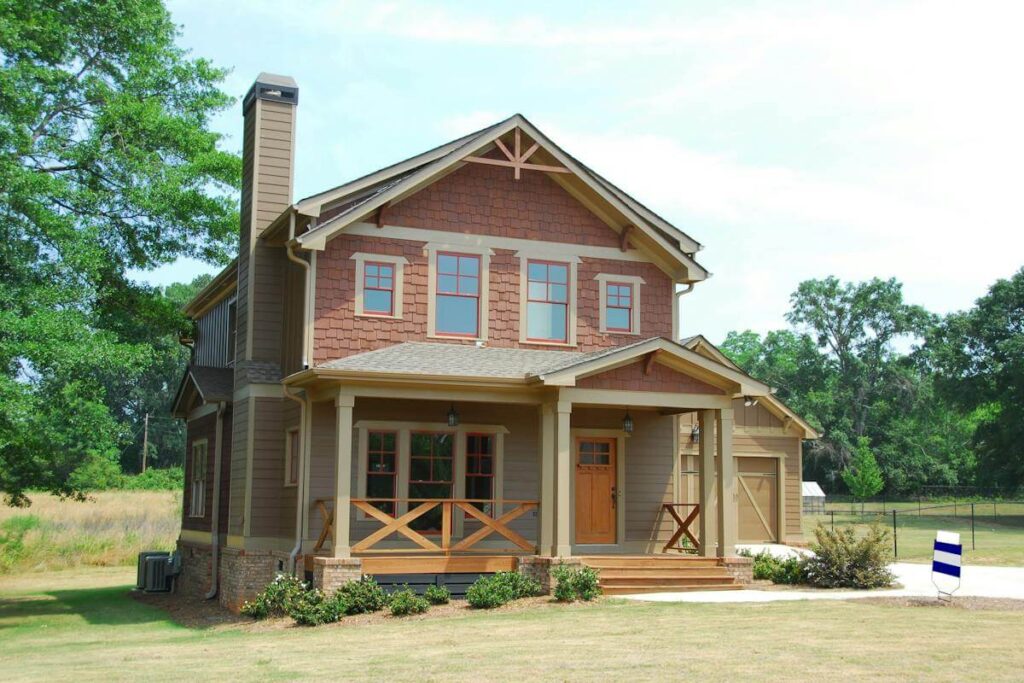
Building your dream home is an exciting prospect, but understanding the cost to build a house is crucial for successful planning and execution. In 2024, various factors, including the aftermath of the COVID-19 pandemic and fluctuating labor and material costs, play a significant role in determining the overall expenses of constructing a house. In this article, we’ll delve into the key considerations and provide tips for budgeting to help you navigate the complexities of home construction.
Determining Your Budget: Where to Start?
The first step in understanding the cost to build a house is assessing your financial resources. Consider the following aspects:
- Your Savings: Evaluate the amount you have saved for the project.
- Equity from Current Home: If you’re selling your current home, factor in the equity you’ll gain.
- Self-Build Mortgage: Explore the possibility of securing a self-build mortgage.
The initial expense is acquiring a plot of land, and costs associated with it include the purchase price, legal fees, and stamp duty. Deduct these costs from your available funds to establish your build budget. Always set aside 10-15% as a contingency fund for unforeseen circumstances or additional expenses like architect fees.
Plot Costs: Understanding the Foundation
Understanding how much a self-build plot costs is crucial. Websites like plotfinder.net provide estimates, but consider alternative methods like reverse engineering costs based on build potential. Factors like plot conditions (e.g., slope) and services connection influence expenses. For every 1° gradient, anticipate a £1,000 cost increase.
Budget Allocation: Balancing Act
A significant portion of your budget goes into the superstructure, including foundations and floor structure (25-30%). The remainder (5-10%) covers various build aspects. Balancing your budget requires strategic planning, as overspending in one area may impact others.
Navigating the Construction Materials Shortage
In 2021, construction material costs spiked due to demand surges and supply chain disruptions. While signs suggest improved supply, factors like rising inflation and energy costs still impact prices. Consider these dynamics when building in 2024.
Construction Systems: Comparing Costs
Different construction systems carry varying costs. For instance:
- Concrete Blockwork: 13-15% of the overall build cost.
- Timber Frame: A slight increase in cost (10%) but offers benefits like faster build speed.
- Oak Frame: 40-50% more expensive but adds aesthetic appeal.
Explore modern methods like Structural Insulated Panels (SIPs) and Insulated Concrete Formwork (ICF), which may cost 5-20% more but offer advantages like faster construction and superior airtightness.
Service Connections: Planning for Utilities
Budget for service connections, including water, sewers, electricity, telephone, and gas. Costs vary based on the size of the household and installation requirements. Additional fees may apply if your site lacks mains services or requires off-mains alternatives.
Also Read: How To Set Up A Functional Yet Affordable Home Gym
Foundation Costs: The Groundwork Reality
Foundation costs are influenced by soil type, proximity to resources, and site gradient. Unexpected variables, like challenging terrains or trees, can raise foundation expenses. Consult with local authorities for the most suitable foundation system.
Building with Bricks or Stone: Aesthetic Choices with Costs
The choice of building materials impacts costs. For example:
- Building with Brick: Around 6-7% of the house build cost, depending on brick type.
- Natural Stone: More expensive than stock bricks, with costs varying based on the chosen stone and construction method.
Roof Costs: Structure and Covering Choices
Roof costs include structure, insulation, battens, coverings, and detailing. Simple roofs with manufactured trusses are cost-effective. Complex roof designs or steep pitches increase expenses. Consider factors like materials and labor when choosing roof coverings.
Windows and Doors: External Joinery Investments
Investing in external joinery is crucial for both aesthetics and functionality:
- Off-the-Shelf Painted Softwood: Standard specification costs £130-140/m².
- Double-Glazed Aluminium Windows: Excellent specification costs £260-280/m².
Consider bespoke options for unique designs, and budget accordingly.
Additional Fees and VAT Reclamation
Several additional fees contribute to overall costs, including legal fees, stamp duty, design fees, structural engineer fees, and more. VAT is a significant consideration, and reclaiming VAT through the DIY House builders Scheme is possible for eligible projects.
Factors Affecting Build Cost: Size and Project Management
The size of the house influences costs, with economies of scale benefiting larger projects. Efficient project management can significantly impact expenses. Options range from hiring a main contractor to self-management, with potential savings of 10-15%.
Conclusion: Building Your Dream Home Wisely
Understanding the cost to build a house is an intricate process, requiring careful consideration of various factors. By strategically budgeting and navigating challenges, you can embark on your self-build journey with confidence, turning your dream home into a tangible reality.