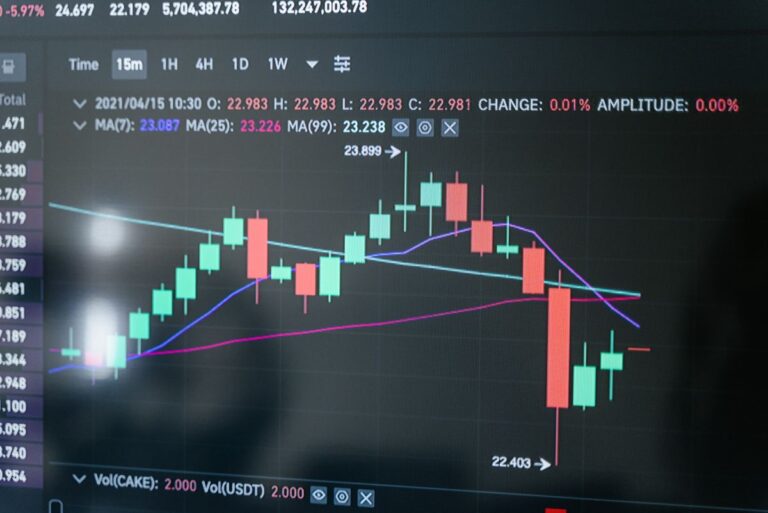
What Happens to Your Investments When the Market Falls?
Market falls are inevitable, frequent, and one of the most psychologically challenging aspects of investing. They're also one of the most important to prepare for — because the decisions made during a fall

⚡ Quick Answer
Market falls can reduce the value of your investments. A portfolio that falls 20% would drop from £20,000 to £16,000 before fees or other cash flows. The loss is unrealised until you sell, but the reduction in wealth is real and recovery is not guaranteed. Review your goals, diversification, access needs and capacity for loss before deciding whether to hold, sell or invest more.
Market falls can be unsettling. Preparing for them means understanding the risks of what you own and keeping money needed for emergencies or near-term spending separate. There is no single response that is right for every investor.
What a Market Fall Actually Means
A market headline describes a particular index, not every investment. Your portfolio may fall more or less depending on its holdings, currencies and costs. If its value falls 15%, £10,000 becomes £8,500. Holding the same number of units does not protect their value: losses can persist, and an individual investment can fail entirely.
Historical Perspective on Falls and Recoveries
Past recoveries do not establish a guaranteed timetable for your investments. Results differ by market, starting date, currency, dividends and fees. A longer holding period can help you withstand short-term fluctuations, but cannot remove the possibility of losses. The FCA’s guidance on investment suitability explains why time horizon and access needs matter.
The Sell-During-Falls Trap
Selling and later buying back can expose you to timing risk: prices may rise while you hold cash. However, holding is not automatically the right decision either. Your need for money, concentration risk, investment suitability or personal circumstances may have changed. Avoid decisions based solely on a headline, and assess the risks and costs of each option.
Our guide on investing in a volatile market covers the specific strategies for maintaining discipline during downturns.
What to Actually Do When Markets Fall
- Review whether the portfolio still fits your goals, spending needs and ability to absorb losses.
- Check diversification and costs. Diversification reduces reliance on individual holdings, but cannot eliminate risk.
- Only continue or increase contributions if affordable and appropriate. Lower prices buy more units of the same investment, but those units can fall further.
- If you are unsure, consider regulated financial advice rather than relying on a predicted recovery.
Frequently Asked Questions
Should I move to cash when recession warnings appear?
A recession headline alone is not enough to decide. Cash may suit near-term spending and emergency needs; investments carry different risks. Review your circumstances and the consequences of selling or holding rather than assuming either choice is always correct.
How long should I expect to wait for markets to recover?
There is no dependable recovery deadline. A longer horizon, often at least five years for stock-market investing, may help manage short-term volatility, but cannot guarantee that you get your money back. See the FCA’s explanation of investment risk.
For historical context on market recoveries across different periods, Schroders’ market history perspective provides evidence-grounded analysis.